

Iconic since
1887
Iconic since
1887
Before the Icon
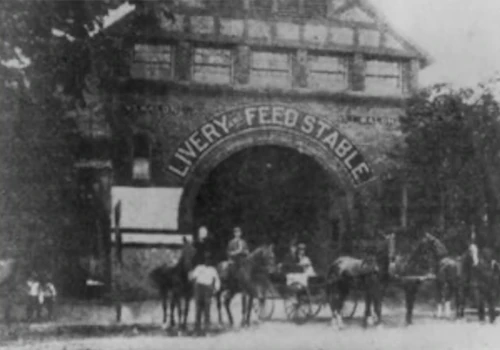
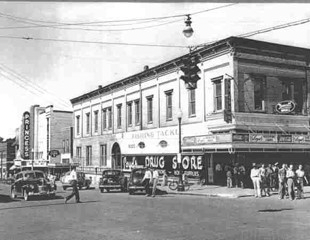
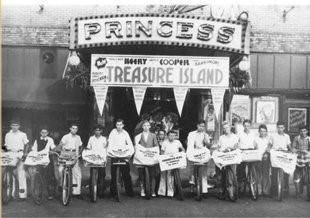
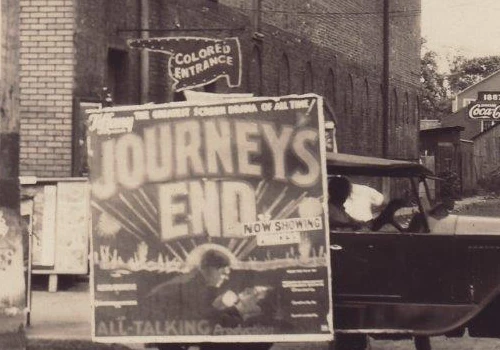
By 1919, the building was reborn as a silent film and vaudeville playhouse, hosting “high class roadshows, pictures, and Keith Vaudeville” (RKO). On opening night, December 30, 1919, Tea for Three graced the stage, accompanied by local orchestras. The very next day, audiences paid 20 to 30 cents to see The Wolf on the big screen.
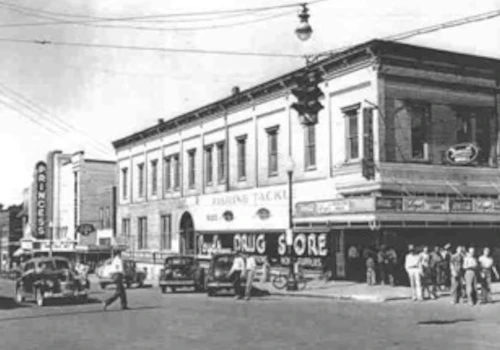
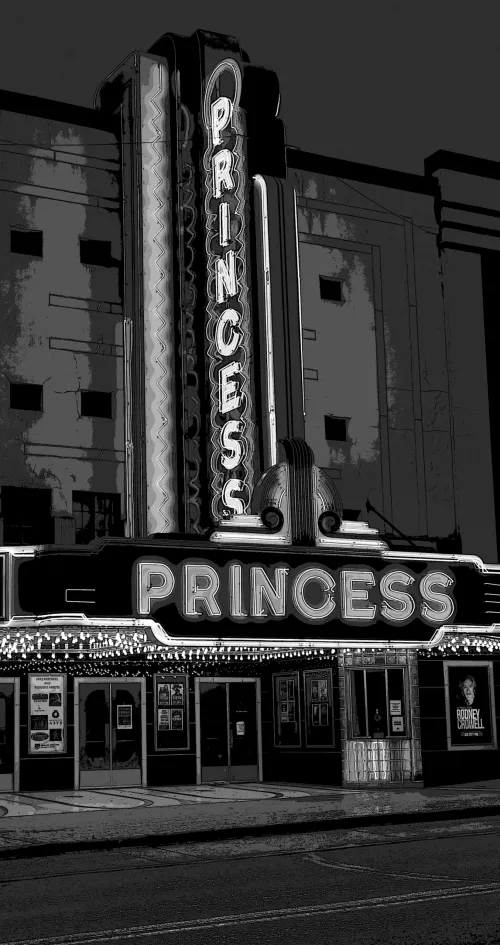
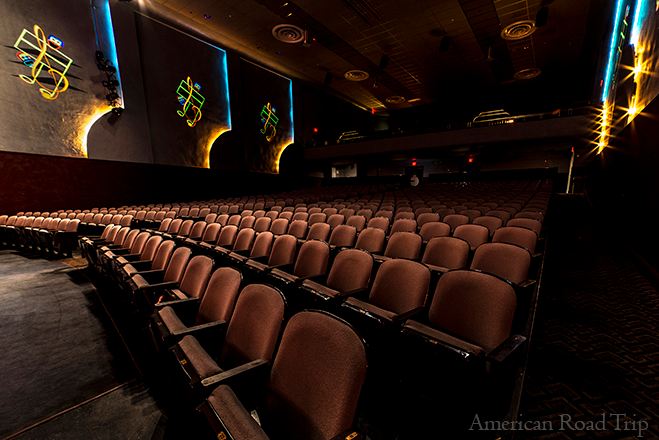
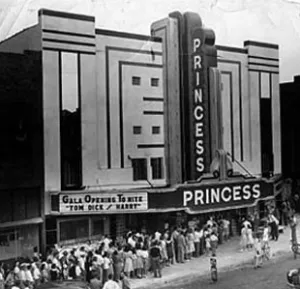
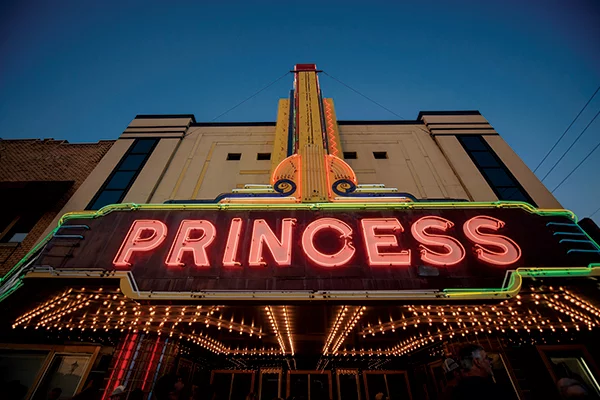
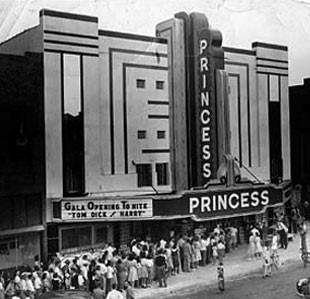
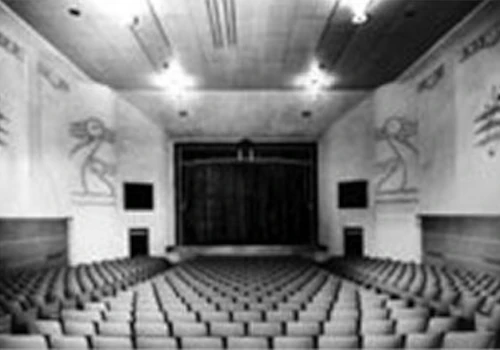
After a striking renovation in 1941, the Princess adopted the art deco style that still defines her today. The brilliantly lit neon marquee became an icon for the region. Architect Albert Frahn adorned the auditorium with burgundy and gray murals that glowed under blacklight—captivating to some, eerie to others, but unforgettable to all. Fluorescent carpeting lit the aisles, the terrazzo lobby floor featured a map of Alabama, and imported veneer walls and geometric vitrolite glass created a sleek, modern façade. The Princess reopened with Ginger Rogers in Tom, Dick and Harry, dazzling audiences once again.
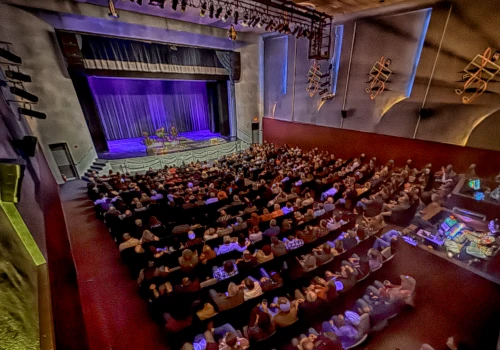
When the movie house closed in 1978, the City of Decatur stepped in, investing $750,000 to restore and reopen the Princess as the city’s performing arts center. With 677 seats, the Theatre became a stage home for local performing groups, a hub for community rentals, and a venue for nationally touring artists. Over the years, her stage welcomed Tony Randall, Ray Charles, Broadway tours of Evita and Big River, the Glenn Miller Orchestra, Dan Seals, and countless others. Each season, more than 60,000 patrons filled her seats.
As “north Alabama’s largest classroom,” the Princess also became a vital educational resource, serving more than 20,000 students and teachers annually with school matinees, masterclasses, workshops, and residencies.
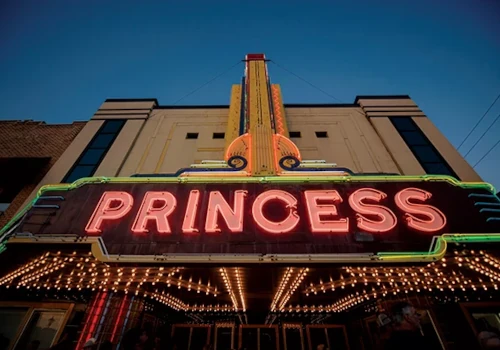
Listed on the National Register of Historic Places, the Princess underwent a $6 million master plan renovation in 2000–2001. This expansion restored the façade and marquee, rebuilt the stage house, added new flyspace, and created a larger lobby and dressing rooms. Later updates included the Sexton Lobby (2003, 2009, and 2016), a coffee bar, and in 2017, City-funded upgrades like state-of-the-art digital cinema and Dolby Surround sound.
Today, the Princess Theatre continues to evolve—equipped for modern performances while honoring her history as one of Decatur’s most treasured landmarks.
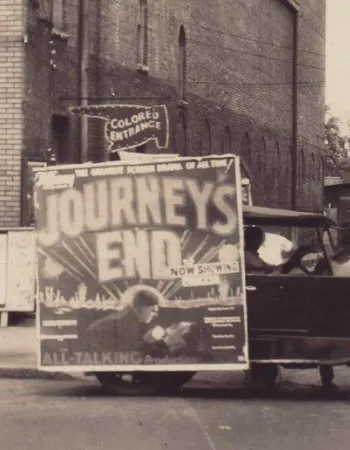
The Theatre also bears witness to a more sobering history. The original “colored entrance,” located on the south side of the building, still exists—a stark reminder of segregation, when people of color were required to climb three flights of stairs to balcony seating. Though no longer in use since the Civil Rights Act of 1964, this feature remains an important symbol of progress achieved and progress still to be made.
Today, the Princess Theatre continues to evolve—equipped for modern performances while honoring her history as one of Decatur’s most treasured landmarks.